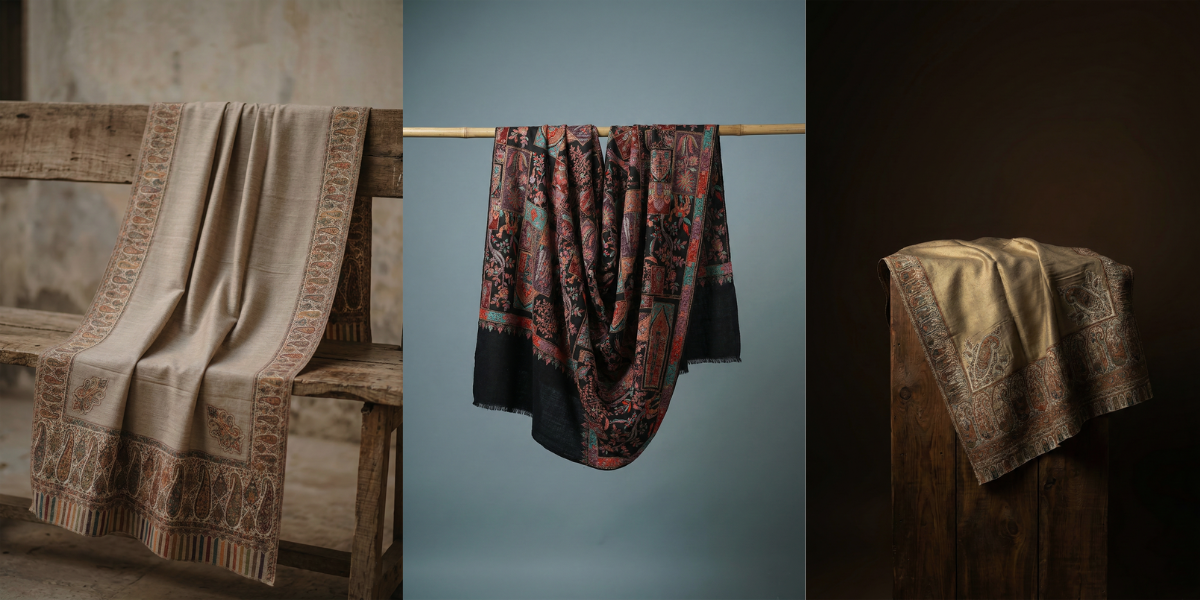
Elegance of Pashmina Shawls - A Heritage Worth Treasuring
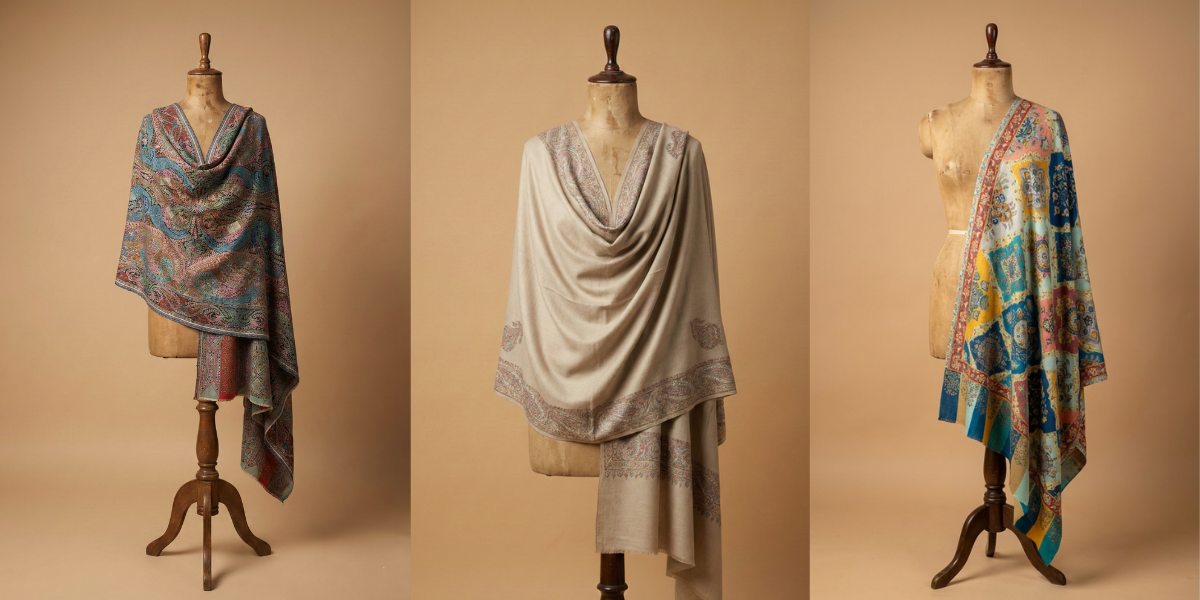
When winter whispers its arrival, there's nothing quite as luxurious as draping yourself in an authentic Pashmina shawl. Originating from the high-altitude regions of the Himalayas, these exquisite pieces represent centuries of craftsmanship and unparalleled elegance.
What Makes Pashmina Truly Special?
Genuine Pashmina is derived from the soft undercoat of the Changthangi goat, found in the Ladakh region at altitudes exceeding 14,000 feet. These goats develop an incredibly fine fleece to protect themselves from harsh winter temperatures that plummet to -40°C. The fibers, measuring just 12-16 microns in diameter, are finer than human hair, creating that signature cloud-like softness.
The Art of Traditional Weaving
Creating a single Pashmina shawl is a labor of love that can take several weeks to months. Skilled artisans hand-spin the delicate fibers and weave them on traditional wooden looms, following techniques passed down through generations. The resulting fabric is so fine that a large shawl can easily pass through a wedding ring—a traditional test of authenticity.
Investment in Luxury
While Pashmina shawls command premium prices, they're truly investments in timeless fashion. A well-maintained Pashmina can last decades, becoming softer and more beautiful with age. These pieces transcend seasonal trends, making them perfect heirlooms to pass down through generations.
Styling Your Pashmina
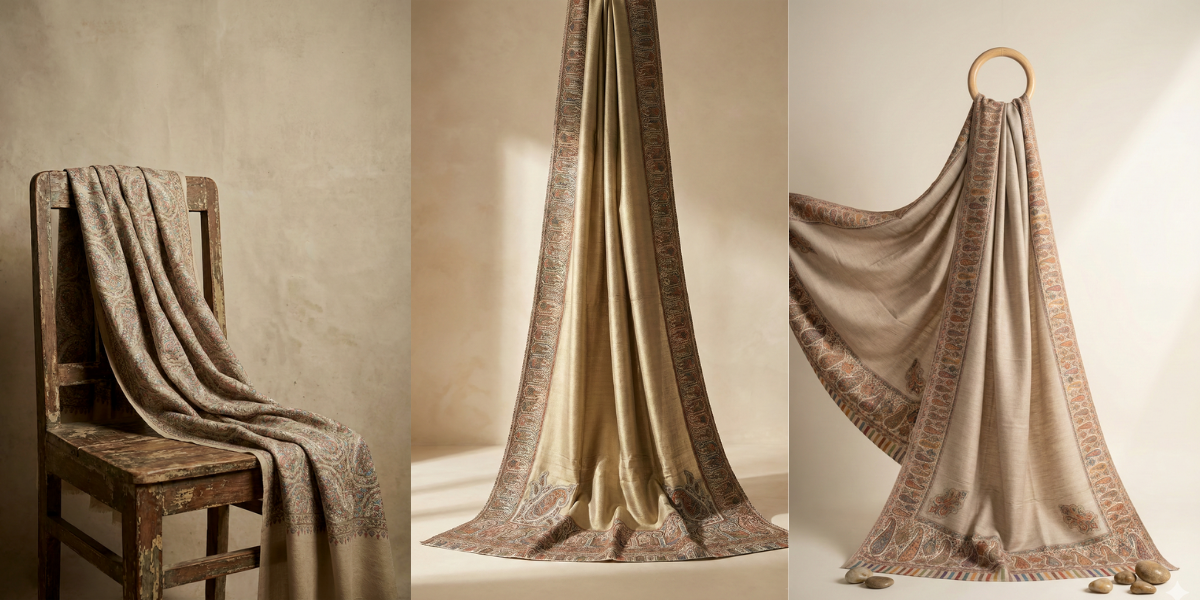
The versatility of a Pashmina shawl is remarkable. Drape it elegantly over formal evening wear, wrap it casually over jeans and a sweater, or use it as a sophisticated travel companion. The neutral tones of natural Pashmina—ranging from ivory to soft grays and browns—complement any wardrobe, while dyed versions offer vibrant pops of color.
Whether you're attending a wedding, heading to the office, or simply seeking warmth with elegance, a genuine Pashmina shawl remains the ultimate luxury accessory.
Blog 2: Pashmina Suits - Where Tradition Meets Contemporary Fashion
The world of luxury ethnic wear has been revolutionized by the introduction of Pashmina suits, combining the unmatched softness of Pashmina fabric with the grace of traditional South Asian attire. These ensembles have become the epitome of refined elegance for discerning fashion enthusiasts.
Understanding Pashmina Suits
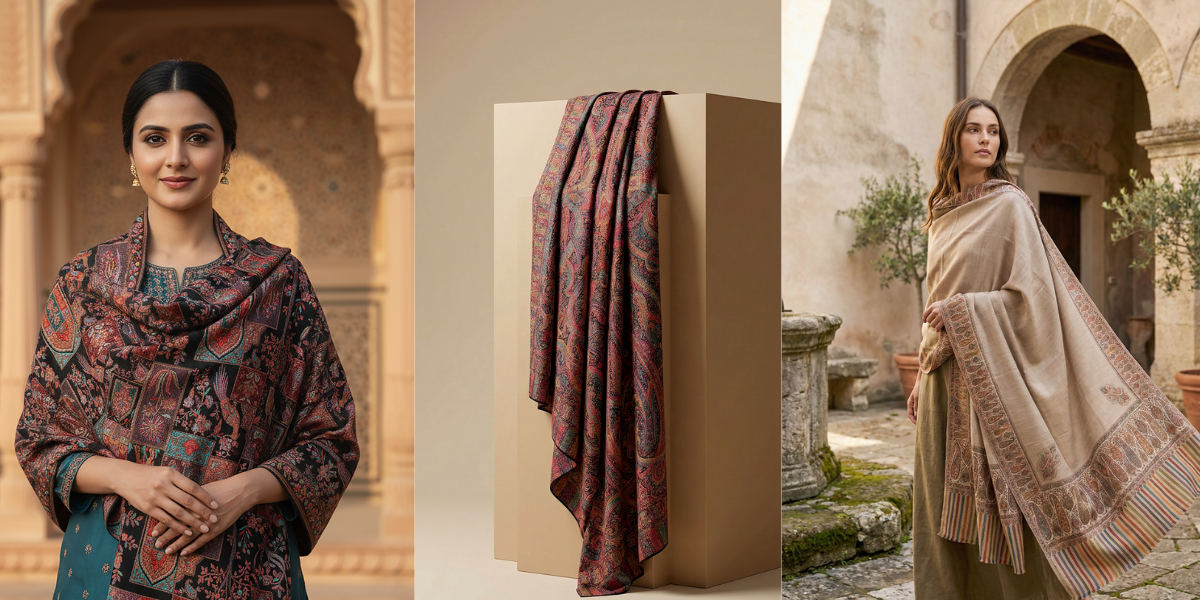
A traditional Pashmina suit typically consists of three pieces: a kurta (tunic), matching bottoms (either straight pants, palazzo, or churidar), and a Pashmina dupatta (scarf). The entire ensemble is crafted from or incorporates genuine Pashmina fabric, ensuring luxurious comfort and breathtaking beauty.
The Embroidery Advantage
What elevates Pashmina suits to extraordinary heights is the intricate embroidery work. Artisans employ various traditional techniques including:
- Sozni embroidery: Delicate needlework creating intricate floral and paisley patterns
- Tilla work: Metallic thread embroidery adding shimmer and grandeur
- Aari work: Chain-stitch embroidery perfect for bold, elaborate designs
- Zardozi: Heavy metallic embellishment for bridal and festive wear
These embellishments transform simple Pashmina fabric into wearable art, with each piece requiring hours of meticulous handwork.
Occasions to Shine
Pashmina suits are incredibly versatile. Lighter, minimally embroidered pieces work beautifully for formal office settings or upscale brunches, while heavily embellished versions are perfect for weddings, festivals, and cultural celebrations. The fabric's natural warmth makes these suits ideal for winter events without sacrificing style.
Color Palettes That Captivate
While natural Pashmina tones exude understated elegance, dyed Pashmina suits come in a spectacular range of colors. Deep jewel tones like emerald, sapphire, and ruby create dramatic statements, while soft pastels offer romantic, feminine appeal. Seasonal collections often feature trending colors, ensuring your Pashmina suit remains fashion-forward.
Care and Maintenance
To preserve your investment, always dry clean Pashmina suits professionally. Store them in breathable cotton covers, away from direct sunlight. With proper care, these magnificent garments will grace your wardrobe for years, potentially becoming cherished family heirlooms.
Blog 3: How to Identify Authentic Pashmina - A Buyer's Guide
In a market flooded with imitations, knowing how to distinguish genuine Pashmina from synthetic alternatives is crucial. With prices ranging from modest to extremely premium, ensuring authenticity protects both your investment and supports traditional artisans.
The Touch Test
Authentic Pashmina has a distinctive feel that's impossible to replicate. When you touch genuine Pashmina, it should feel:
- Incredibly soft, almost like touching a cloud
- Slightly grainy or textured, not slippery smooth like silk
- Warm to the touch within seconds of contact
- Lightweight yet substantial
If the fabric feels too smooth or silky, it's likely mixed with silk or is entirely synthetic.
The Ring Test
This traditional method involves attempting to pull a full-sized Pashmina shawl through a wedding ring. Genuine Pashmina, being extremely fine, can pass through easily. However, this test isn't always practical in shopping situations and can damage the fabric if done incorrectly.
The Burn Test (When Possible)
If you can obtain a small loose thread, the burn test reveals the truth. Genuine Pashmina, being animal fiber, will:
- Smell like burning hair when ignited
- Curl into a ball and turn to ash
- Leave behind crushable ash residue
Synthetic fibers will smell like burning plastic, melt into hard beads, and leave behind sticky residue.
Visual Inspection
Examine the weave closely. Hand-woven Pashmina shows slight irregularities—a sign of authenticity. Machine-made fabrics appear perfectly uniform. Look for the natural sheen of Pashmina, which is subtle and elegant, never overly glossy.
Price Reality Check
If the price seems too good to be true, it probably is. Authentic Pashmina shawls rarely sell for less than a certain threshold due to the expensive raw materials and labor-intensive production. While you shouldn't overpay, extremely low prices indicate synthetic alternatives or blends.
Trusted Sources Matter
Purchase from reputable dealers who can provide certification of authenticity. Established brands and government-certified sellers offer guarantees and often include details about the fiber grade, weave count, and artisan community involved in production.
Understanding Blends
Not all Pashmina-labeled products are 100% pure. Common blends include Pashmina-silk combinations, which are more affordable while still offering luxury. These aren't necessarily fraudulent if properly labeled—they simply represent a different quality tier. Always ask about fiber composition percentages.
Remember, investing time in verification ensures you acquire a genuine masterpiece that will provide warmth, elegance, and satisfaction for decades to come.
Blog 4: The Seasonal Versatility of Pashmina - Beyond Winter Wear
Many people mistakenly believe Pashmina is exclusively a winter fabric. While these luxurious pieces certainly excel in cold weather, their versatility extends across all seasons, making them year-round wardrobe essentials for the style-conscious.
The Science Behind the Comfort
Pashmina fiber possesses remarkable thermoregulating properties. The hollow structure of each fiber creates natural insulation that traps warm air in winter while remaining breathable in milder weather. This unique characteristic means Pashmina adapts to your body temperature and environmental conditions, providing comfort regardless of the season.
Spring Styling
As winter fades into spring, lightweight Pashmina shawls become perfect layering pieces for unpredictable weather. Drape a pastel-colored Pashmina over a sundress for evening garden parties or wrap it around your shoulders during cool spring mornings. The fabric's breathability prevents overheating during warmer afternoons, while its insulating properties ward off chilly breezes.
Spring Pashmina suits in floral embroidery patterns and fresh colors like mint, lavender, and soft coral capture the season's essence beautifully. These pieces work wonderfully for daytime celebrations and outdoor events.
Summer Sophistication
Contrary to popular belief, fine Pashmina can be worn in summer, particularly in air-conditioned environments. A lightweight Pashmina scarf provides elegant coverage in overly cool offices, restaurants, or during flights. Choose lighter colors and minimal embroidery for summer weddings and formal events.
The key is selecting pieces made from the finest grade of Pashmina (often labeled as Pashmina 70s or higher), which are incredibly thin and airy while maintaining the fabric's signature softness.
Autumn Elegance
Fall is perhaps the perfect season for Pashmina. The moderate temperatures allow you to fully appreciate the fabric's warmth without overheating. Rich autumn colors—burnt orange, deep burgundy, forest green, and chocolate brown—in Pashmina suits and shawls complement the season's aesthetic beautifully.
Layer your Pashmina shawl over blazers, leather jackets, or trench coats for added warmth and sophistication. The combination of textures creates visually interesting outfits perfect for autumn's fashion-forward atmosphere.
Winter Warmth
This is undoubtedly when Pashmina truly shines. The fabric's insulating properties provide exceptional warmth without bulk. Multiple Pashmina layers—a suit with a matching shawl—create cozy elegance for winter weddings and holiday gatherings.
Darker, richer colors and heavily embroidered pieces dominate winter collections, offering both warmth and glamour.
Travel Companion
Regardless of season, a Pashmina shawl ranks among the best travel accessories. It serves as a blanket on flights, a modest cover-up when visiting religious sites, a stylish wrap for evening dinners, and emergency warmth in unpredictable climates—all while occupying minimal luggage space.
The investment in quality Pashmina pays dividends throughout the year, transcending seasonal limitations to become a truly timeless wardrobe element.
Blog 5: Caring for Your Pashmina - Preservation Tips for Lasting Luxury
Your exquisite Pashmina shawl or suit represents significant investment and carries the legacy of centuries-old craftsmanship. Proper care ensures these precious pieces remain beautiful for generations, potentially becoming cherished family heirlooms.
Cleaning Guidelines
Professional Dry Cleaning: For heavily embroidered pieces or your first cleaning, always choose a reputable dry cleaner experienced with delicate fabrics. Inform them specifically that the item is Pashmina, as different chemicals may be required compared to regular wool.
Hand Washing: Plain or lightly embroidered Pashmina can be hand-washed at home with extreme care. Use lukewarm water (never hot) and a gentle, pH-neutral detergent specifically formulated for delicate woolens or baby shampoo. Submerge the Pashmina and gently swirl it in the water—never wring, twist, or rub the fabric, as this can damage the delicate fibers.
Rinsing: Rinse thoroughly in cool water until all detergent is removed. Any remaining soap can attract dirt and cause discoloration over time.
Drying: Never tumble dry Pashmina. Instead, gently press out excess water by rolling the piece in a clean, dry towel. Lay flat on another dry towel away from direct sunlight and heat sources. Reshape the piece to its original dimensions while damp. Allow it to air dry completely, which may take 24-48 hours depending on humidity levels.
Storage Solutions
Proper storage protects your Pashmina from damage during off-seasons:
Breathable Covers: Store in cotton or muslin bags that allow air circulation while protecting against dust. Avoid plastic bags, which can trap moisture and lead to mildew or yellowing.
Cedar Protection: Place cedar balls or lavender sachets in your storage area to naturally repel moths without harsh chemicals. Replace these every six months to maintain effectiveness.
Avoid Hangers: The weight of Pashmina can cause stretching and distortion if hung. Always fold pieces carefully and store flat or rolled loosely.
Dark, Cool Spaces: Keep Pashmina away from direct sunlight, which can fade colors, and in moderate temperatures. Avoid damp basements or hot attics.
Daily Maintenance
Pilling Prevention: Some pilling (small fiber balls) is natural with wear. Gently remove pills with a cashmere comb or specialized fabric shaver—never pull them off by hand.
Airing Out: After wearing, air your Pashmina for a few hours before storing. This allows any absorbed odors or moisture to dissipate naturally.
Spot Cleaning: Address spills immediately by blotting (never rubbing) with a clean, damp cloth. For stubborn stains, consult a professional rather than attempting aggressive home remedies.
Seasonal Rotation
Even when stored, remove your Pashmina pieces every few months to air them out. Gently shake them and refold along different lines to prevent permanent creases. This practice also allows you to check for any moth damage or other issues early.
Repair and Restoration
If your Pashmina develops holes, loose threads, or damaged embroidery, seek professional restoration services specializing in luxury textiles. Many artisan communities offer repair services that maintain the integrity and value of your piece.
The Longevity Promise
With proper care, authentic Pashmina actually improves with age, becoming softer and developing a beautiful patina. Some families treasure Pashmina pieces that are decades or even centuries old, testament to both the fabric's durability and the effectiveness of careful maintenance.
Your Pashmina isn't just clothing—it's a work of art, a cultural treasure, and potentially a family legacy. Treating it with the respect and care it deserves ensures its beauty endures for generations to come.